


Check Valve
Slanted Disc
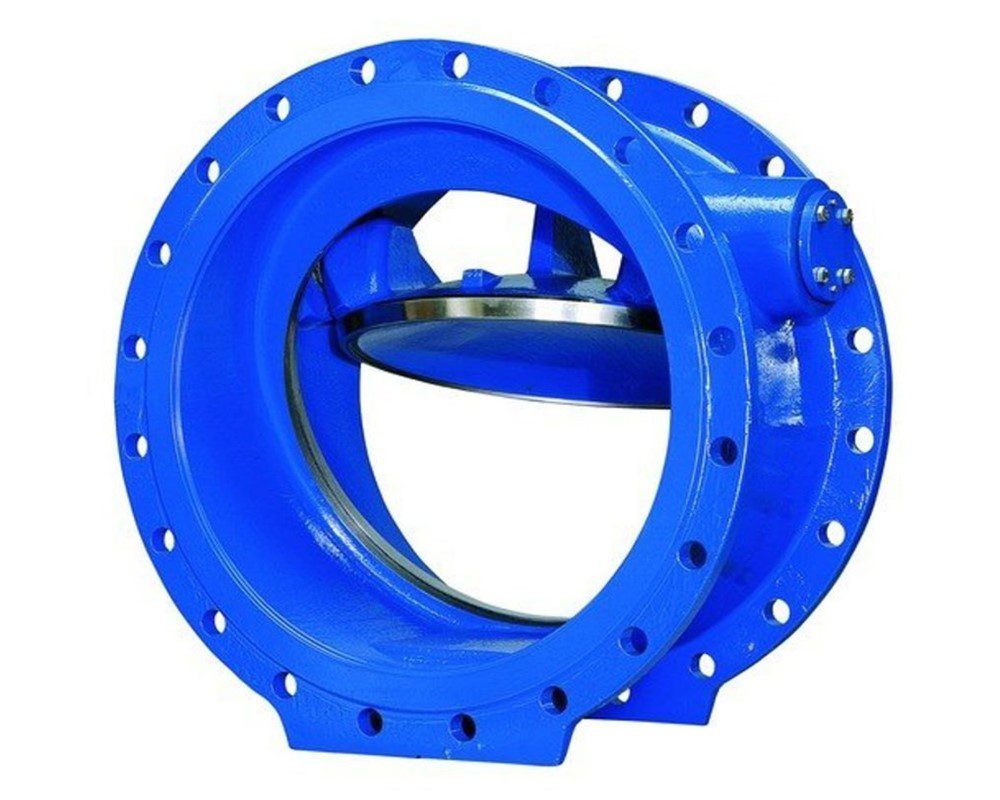
Slanted disc check valves, also known as tilting disc check valves, are popular choices for various applications due to their reliable performance, low maintenance requirements, and versatility.
Inquire Now
Specifications
Check Valve – Slanted Disc Size Range
6 – 40 NPS, DN150 – DN1000
Body Materials
D.I. to GGG -40/50 or Eqiv. IS/BS/ASTM Grade
Temperature Range
-29°C to 650°C
Trim Materials
SS AISI – 304 / 316 or Nickel weld overlay
Maximum Allowable Operating Pressure
PN 10 /PN 16 & PN 25
Pressure-Temprature Rating
ASME B 16.34
Body Style
Flanged End
Design Standard
BSEN 12334
Flange Drilling
ASME B16.5
Testing Standard
API 598, API 6D
Accessories
Counter Weight/Dashpot/Damper Arrangement
Operation
Self Actuation
Applications
Water Supply, Water Treatment, Irrigation
Features:
-
- These check valves can be used in all non-return applications.
- Better closing characteristics due to the smaller swing angle of the disc.
- Closing time is reduced compared to the other check valve types.
- Because of non-extended shaft design, no sealing friction at the shafts.
- No lever and counter weight requirement. Thus dangerous movement of external parts is eliminated.
- Metal to metal or resilient seating options.
- Maintenance free design.
- On request Slanted Seat Check Valves are equipped with hydraulic end stage dampers in order to prevent the water hammer in pumping stations.
– The end stage damper is active at the last %10 of closing stroke.
– In case of power failure at the pumping station the disc closes very fast until reaching the damper that is why the back flow passing through the check valve during closure is minimum.
– This type is one of the best check valves then the turning back of pump’s impeller is critical. Damping effect can be adjusted by the help of integrated needle valve on damper according to the pumping and working conditions.
– The end stage damper is not linked to the disc and does not resist to. open that is why headless of this type is less than the types with the. dampers linked to the levers.
Benefits:
-
- Low Head Loss: The slanted disc design minimizes flow restriction, leading to lower pressure drops and improved efficiency in the piping system.
- Reliable Shutoff: The design ensures positive sealing, preventing backflow even at low pressure conditions (with spring-assisted closure).
- Reduced Water Hammer: The slanted disc promotes smoother flow transition, minimizing the risk of water hammer (pressure surges) that can damage pipes and equipment.
- Quiet Operation: The design minimizes slamming and noise, making them suitable for applications requiring quiet operation.
- Versatility: Available in various materials, sizes, and configurations (bidirectional flow) to suit a wide range of applications.
FAQs:
A. What is the difference between a slanted disc check valve and a swing check valve?
-
- Slanted Disc: Disc sits at an angle, offering lower head loss and quieter operation.
- Swing Check: Disc swings on a hinge, can experience higher head loss and slamming.
B. What are the advantages of a spring-assisted closure?
-
- Ensures positive shutoff even at low flow rates.
C. When would you choose a bidirectional slanted disc check valve?
-
- In applications where flow needs to be controlled in either direction.
D. What are the maintenance requirements for slanted disc check valves?
-
- They typically require minimal maintenance. Periodic inspection is recommended to ensure proper operation and identify any potential issues.