


API 6D Valves
API 6D Ball Valve
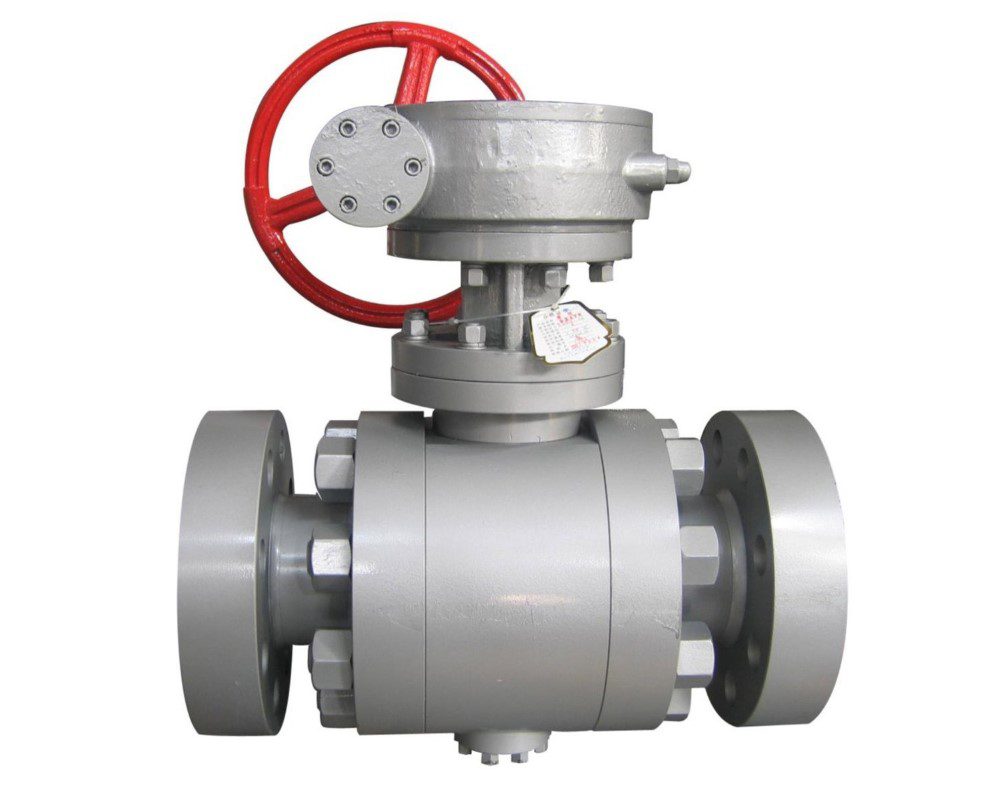
An API 6D ball valve is a workhorse in the world of industrial valves. Designed and manufactured according to the American Petroleum Institute’s standard 6D, these valves are known for their ease of operation, reliable shutoff, and versatility.
Inquire Now
Specifications
API 6D Valves – API 6D Ball Valve Size Range
2 – 24 NPS, DN50 – DN600
Body Materials
ASTM A216, A105, A350, A182, A351, A352, A890, A995.
Temperature Range
-29°C to 450°C
Ball Materials
ASTM A216, A105, A350, A182, A351, A352, A890, A995.
Maximum Allowable Operating Pressure
ANSI 150#, ANSI 300#, ANSI 600# , ANSI 900#, ANSI 1500#, ANSI 2500#
Seat Materials
PTFE, NYLON, PEEK, NBR, KELF, ENP (Electroless nickel plating), HC (Hard chrome).
Shutoff Rating
Bidirectional Bubble-tight
Body Style
Flanged End, Butt Weld, FE V/s BW
Design Standard
API 6D, ASME 16.34
Flange Drilling
ASME B16.5
Testing Standard
API 598, ISO 5208, EN 12266-1
Face To Face
ASME B16.10
Applications
Oil & Gas, Wastewater, Seawater, Petrochemicals
Features:
-
- Quarter-Turn Operation: A hallmark feature, the valve opens and closes with a 90-degree (quarter-turn) rotation of the handle or actuator, offering quick and simple operation.
- Floating or Trunnion Mounted Ball: API 6D ball valves come in two main designs:
- Floating Ball: The ball is positioned within the body cavity and relies on upstream and downstream line pressure to create a seal against the seats. Suitable for lower pressure applications.
- Trunnion Mounted Ball: The ball is supported by a central shaft (trunnion) that reduces stress on the stem and ensures smooth operation even in high-pressure applications.
- Seating Options: Various seating materials are available to suit different applications and fluid types, such as metal-to-metal, PTFE (Teflon), or RPTFE (reinforced PTFE).
- Full or Reduced Port: The internal diameter of the valve can be either full port (matching the pipeline diameter) or reduced port (slightly smaller diameter). Full port offers minimal flow restriction, while reduced port valves are more compact and cost-effective for some applications.
- Durable Materials: Constructed from robust materials like cast iron or forged steel to withstand high pressures and harsh operating environments.
Benefits:
-
- Simple and Reliable: The quarter-turn operation and robust design contribute to ease of use, reliable shutoff, and overall dependability.
- Versatility: Available in floating and trunnion mounted designs, full or reduced port configurations, and various seating materials, making them suitable for a wide range of applications and fluid types.
- Low Maintenance: The simple design minimizes maintenance requirements compared to some other valve types.
- Bi-Directional Flow: API 6D ball valves can typically handle flow in either direction, offering operational flexibility.
- Fire-Safe Design (Optional): Some API 6D ball valves can be designed to meet fire safety standards, ensuring they remain operational and prevent leakage in case of a fire.
FAQs:
A. What is the difference between a floating and trunnion mounted ball valve?
-
- Floating Ball: Relies on line pressure to create a seal, suitable for lower pressures.
- Trunnion Mounted Ball: Supported by a shaft for reduced stress on the stem, ideal for high-pressure applications.
B. What are the advantages of a full port vs. reduced port ball valve?
-
- Full Port: Minimizes flow restriction, better for high flow rate applications.
- Reduced Port: More compact and cost-effective, suitable for some applications with lower flow requirements.
C. How do API 6D ball valves differ from other valves?
-
-
API 6D certification ensures the valve meets specific requirements for pressure handling, fire resistance, material properties, and dimensional standards, making it suitable for critical applications.
-
D. What are the maintenance requirements for API 6D ball valves?
Regular inspection is recommended, focusing on wear, lubrication (if applicable), and seal integrity. The specific maintenance schedule will depend on the operating conditions and manufacturer’s recommendations.