


Ball Valve
Rising Stem
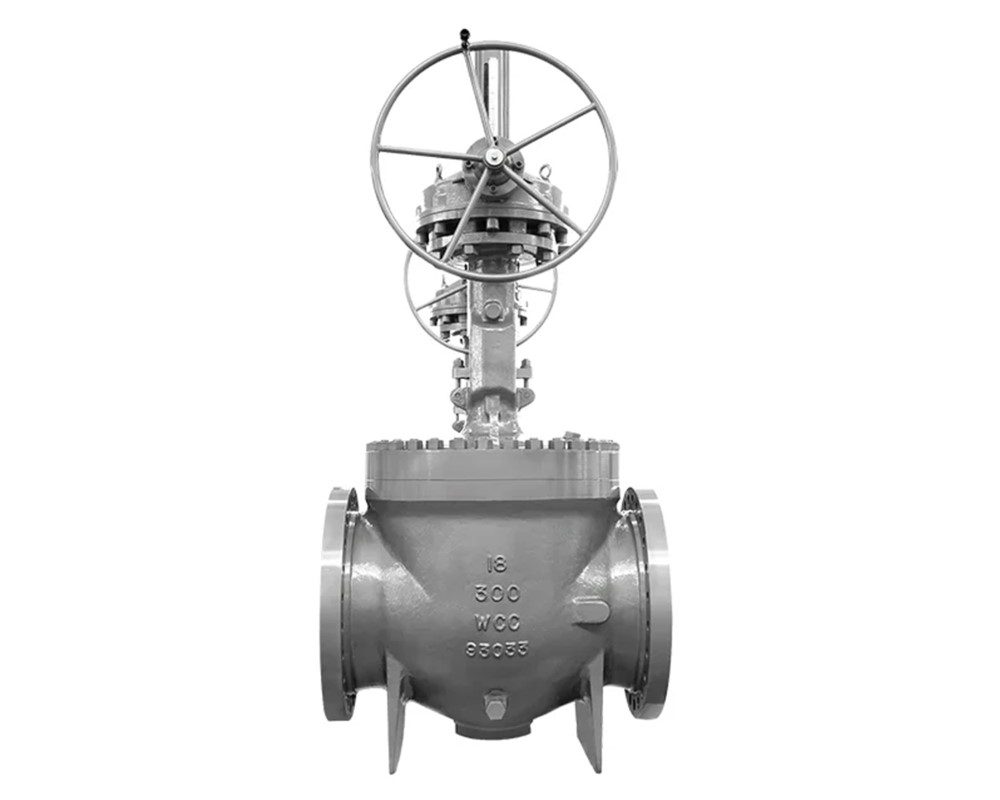
A rising stem ball valve is a type of industrial valve designed with a spherical closure element (ball) that controls the flow of fluids through the valve.
Inquire Now
Specifications
Ball Valve – Rising Stem Size Range
2 – 24 NPS, DN50 – DN600
Body Materials
ASTM A216, A105, A350, A182, A351, A352, A890, A995.
Temperature Range
-29°C to 450°C
Ball Materials
ASTM A216, A105, A350, A182, A351, A352, A890, A995.
Maximum Allowable Operating Pressure
ANSI 150#, ANSI 300#, ANSI 600# , ANSI 900#, ANSI 1500#, ANSI 2500#
Seat Materials
PTFE, NYLON, PEEK, NBR, KELF, ENP (Electroless nickel plating), HC (Hard chrome).
Shutoff Rating
Bidirectional Bubble-tight
Body Style
Flanged End, Butt Weld, FE V/s BW
Design Standard
API 6D, ASME 16.34
Flange Drilling
ASME B16.5
Testing Standard
API 598, ISO 5208, EN 12266-1
Face To Face
ASME B16.10
Applications
Oil & Gas, Wastewater, Seawater, Petrochemicals
Features:
- Rotating Ball Mechanism: The spherical ball rotates within the valve body to control the flow of fluids.
- Rising Stem: The stem rises or lowers to indicate the position of the ball (open or closed).
- Compact Design: Provides a compact and efficient solution for flow control applications.
- Versatile Applications: Suitable for a wide range of industries and applications requiring precise flow control, including oil and gas, petrochemicals, water treatment, and HVAC systems.
- Durable Construction: Typically made from durable materials such as stainless steel, carbon steel, or brass, depending on the application requirements.
Benefits:
-
- Smooth Operation: Offers smooth and reliable operation due to the rotating ball mechanism.
- Excellent Sealing: Provides tight shut-off to prevent leakage when closed.
- Long Service Life: Designed for durability and longevity in various operating conditions.
- Versatility: Can handle a variety of fluids, including corrosive and abrasive media depending on the materials used.
- Ease of Maintenance: Generally requires minimal maintenance due to its robust design and fewer moving parts compared to other valve types.
a rising stem ball valve combines the efficient flow control capabilities of a ball valve with the visual indication of the stem position, making it a versatile choice for industries requiring reliable and precise fluid handling solutions.
FAQs:
A. What is a rising stem ball valve?
A rising stem ball valve is a type of industrial valve where a spherical ball with a hole (port) through its center is rotated within the valve body to control the flow of fluids. The stem rises or lowers as the valve is opened or closed, providing visual indication of the valve’s position.
B. How does a rising stem ball valve operate?
The spherical ball inside the valve body is connected to a stem that rises or lowers when the valve is operated. Rotating the stem causes the ball to rotate, aligning the port with the inlet and outlet ports to allow or block flow.
C. What are the advantages of a rising stem ball valve?
-
- Visual Position Indication: The rising stem provides clear indication of whether the valve is open or closed.
- Smooth Operation: Offers smooth and precise flow control due to the rotating ball mechanism.
- Reliable Sealing: Provides tight shut-off to prevent leakage.
- Durable Construction: Typically made from robust materials, ensuring longevity and reliability.
- Versatility: Suitable for a wide range of applications and industries due to its ability to handle various fluids and operating conditions.
D. Where are rising stem ball valves used?
Rising stem ball valves are used in industries such as oil and gas, petrochemicals, water treatment, HVAC (heating, ventilation, and air conditioning), and general industrial applications where reliable flow control is required.
E. What types of fluids can rising stem ball valves handle?
Depending on the materials used in construction (such as stainless steel, carbon steel, brass, etc.), rising stem ball valves can handle a wide range of fluids, including water, oil, gas, steam, and various chemicals.