


Check Valve
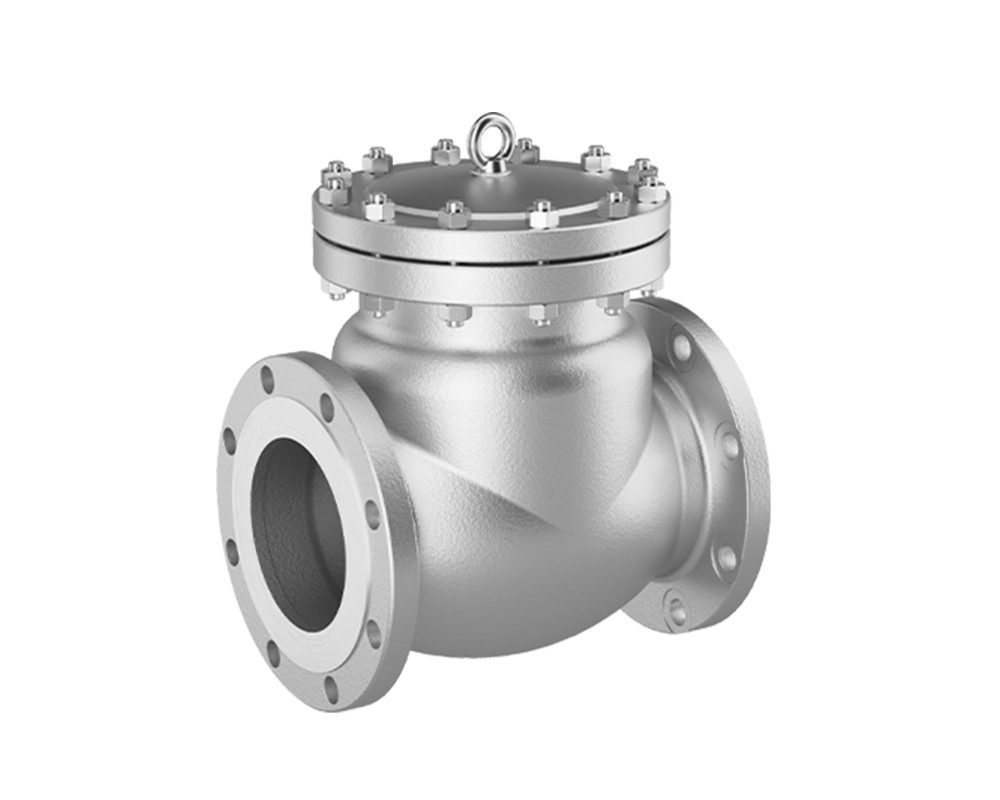
Bolted Bonnet Swing
Bolted bonnet swing check valves are a popular choice for various industrial applications due to their reliable operation, ease of maintenance, and suitability for high-pressure systems.
Inquire Now
Specifications
Check Valve – Bolted Bonnet Swing Size Range
2 – 56 NPS, DN50 – DN1400
Body Materials
Carbon Steels, Low Temperature Carbon Steel, Martensitic Steels, Austenitic Stainless Steel, Duplex Stainless Steels, Super Duplex Stainless Steels, Nickel Alloys, Nickel Aluminum Bronze, Hastelloy, Inconel, Titanium Alloy & Carbon Steel with Internal Corrosion Resistant Alloy (CRA) Overlay
Temperature Range
-29°C to 650°C
Trim Materials
Carbon Steels, Low Temperature Carbon Steel, Martensitic Steels, Austenitic Stainless Steel, Duplex Stainless Steels, Super Duplex Stainless Steels, Nickel Alloys, Nickel Aluminum Bronze, Hastelloy, Inconel, Titanium Alloy & Carbon Steel with Internal Corrosion Resistant Alloy (CRA) Overlay
Maximum Allowable Operating Pressure
ASME 150# to 2500#
Pressure-Temprature Rating
ASME B 16.34
Construction Details
Bolted Bonnet
Body Style
Flanged End, Butt Weld
Design Standard
API 6D, API 594, BS 1868
Flange Drilling
ASME B16.5
Testing Standard
API 598, API 6D
Face To Face
ASME B16.10
Applications
Refineries,Hydrocarbon,Energy and Process industries.
Operation
Auto
Features:
-
- Bolted Bonnet Design: The valve body and bonnet (upper cover) are securely connected using bolts and a gasket. This design allows for easy disassembly and access to internal components for inspection, maintenance, or repair.
- Swing Disc: A hinged disc pivots within the valve body, allowing flow in one direction and closing to prevent backflow.
- Stainless Steel or Forged Steel Construction: Materials are chosen for durability, corrosion resistance, and pressure rating requirements.
- Internal Spring (Optional): Some designs incorporate a spring to aid in disc closure, ensuring positive shutoff even at low flow rates.
- Variety of Connections: Available with flanged, screwed, or welded connections for compatibility with various piping systems.
Benefits:
-
- Easy Maintenance: The bolted bonnet design simplifies access to internal components for inspection, cleaning, or replacement of parts, reducing downtime for maintenance activities.
- Reliable Shutoff: The swing disc design ensures positive sealing, preventing backflow even under demanding conditions. The optional spring further enhances shutoff at low flow rates.
- High-Pressure Capability: Bolted bonnet construction allows these valves to handle high pressures due to the secure connection between the body and bonnet. The choice of materials (stainless or forged steel) also contributes to pressure rating.
- Leak-Proof Sealing: The gasket between the bonnet and body, along with the proper disc sealing mechanism, minimizes the risk of leakage.
- Versatility: Available in various materials, sizes, and connection options to suit a wide range of applications.
FAQs:
A. What is the advantage of a bolted bonnet design?
-
- Simplifies disassembly and access to internal components for maintenance or repair, reducing downtime.
B. How do bolted bonnet swing check valves differ from welded bonnet swing check valves?
-
- Bolted Bonnet: Easier maintenance, can be disassembled for inspection/repair.
- Welded Bonnet: More permanent solution, generally lower cost upfront but requires cutting and re-welding for maintenance.
C. What factors influence selecting a bolted bonnet swing check valve?
-
-
- Pressure and Temperature Ratings: The valve needs to be rated for the specific operating conditions of your application.
- Pipe Size and Flow Rate: Choose a valve with the appropriate size and flow capacity for your piping system.
- Fluid Compatibility: The valve materials must be compatible with the fluid being controlled to avoid corrosion or degradation.
- Maintenance Requirements: If easy access for maintenance is important, a bolted bonnet design is preferable.
-
D. What are the maintenance requirements for bolted bonnet swing check valves?
-
- They typically require minimal maintenance. Periodic inspection is recommended to ensure proper operation, identify wear on the disc or sealing surfaces, and potentially replace parts if necessary. The bolted bonnet design simplifies this process.