


Check Valve
Tilting Disc
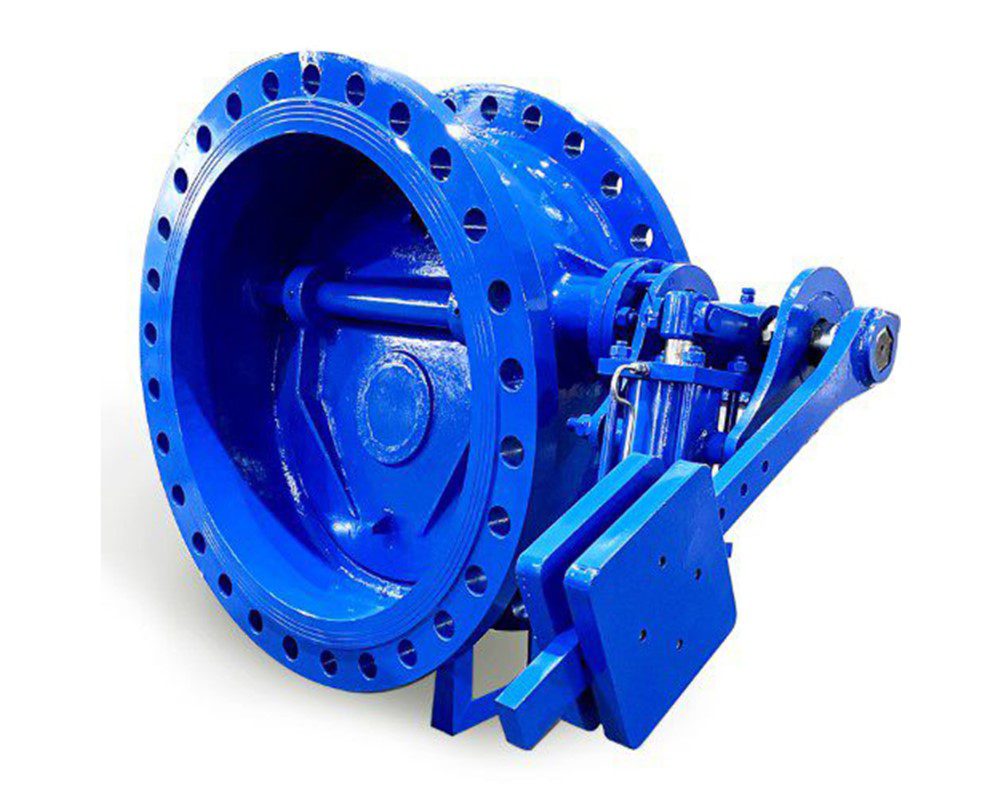
Tilting disc check valves, also known as slanted disc check valves, are widely used due to their efficient operation, minimal maintenance needs, and versatility.
Inquire Now
Specifications
Check Valve – Tilting Disc Size Range
6 – 40 NPS, DN150 – DN1000
Body Materials
D.I. to GGG -40/50 or Eqiv. IS/BS/ASTM Grade
Temperature Range
-29°C to 650°C
Trim Materials
SS AISI – 304 / 316 or Nickel weld overlay
Maximum Allowable Operating Pressure
PN 10 /PN 16 & PN 25
Pressure-Temprature Rating
ASME B 16.34
Body Style
Flanged End
Design Standard
BSEN 12334
Flange Drilling
ASME B16.5
Testing Standard
API 598, API 6D
Accessories
Counter Weight/Dashpot/Damper Arrangement
Operation
Self Actuation
Applications
Water Supply, Water Treatment, Irrigation
Features:
-
- Tilting Disc Design: A key element is a disc positioned at an angle (usually 15-25 degrees) relative to the flow path. This angle allows for smooth opening and closing with minimal pressure drop.
- Spring-Assisted Closure (Optional): Some designs incorporate a spring to aid disc closure, guaranteeing positive shutoff even at low flow rates.
- Low-Noise Operation: The tilting disc design minimizes slamming and noise compared to swing check valves, making them suitable for quiet operation environments.
- Bidirectional Flow (Optional): Certain tilting disc check valves can handle flow in either direction, offering operational flexibility.
- Material Variety: Available in various materials to suit different pressure ratings, temperatures, and fluid compatibility requirements.
- Short body, small volume and light weight
- Shafts protrude on both sides of the body and allow the lever and counter weight to be mounted on the right or left side, both vertical and horizontal pipeline applications.
- Disc swings freely. The disc opening depends on the flow velocity
- Adjustable weight offers the adaptability to the individual working conditions.
- Metal to metal or resilient seating options.
- Maintenance free design.
- Tilting Disc Check Valves With Hydraulic Damper eliminate the closing slams and water hammer for entire closing stroke.
- Closing speed is adjustable depends on working conditions.
- All components of the valves are designed for high stress occurred during damping effect.
Benefits:
-
- Low Head Loss: The tilted disc design minimizes flow restriction, resulting in lower pressure drops and improved efficiency within the piping system.
- Reliable Shutoff: The design ensures positive sealing, preventing backflow even at low pressures (with spring-assisted closure).
- Reduced Water Hammer: The tilting disc promotes smoother flow transition, minimizing the risk of water hammer (pressure surges) that can damage pipes and equipment.
- Quiet Operation: The design minimizes slamming and noise, making them ideal for applications requiring quiet operation.
- Versatility: Available in various materials, sizes, and configurations (bidirectional flow) to suit a wide range of applications.
FAQs:
A. What differentiates a tilting disc check valve from a swing check valve?
-
- Tilting Disc: Disc sits at an angle, offering lower head loss and quieter operation.
- Swing Check: Disc swings on a hinge, can experience higher head loss and slamming.
B. What are the advantages of a spring-assisted closure?
-
- Ensures positive shutoff even at low flow rates.
C. When would you choose a bidirectional tilting disc check valve?
-
- In applications where flow needs to be controlled in either direction.
D. What are the maintenance requirements for tilting disc check valves?
-
- They typically require minimal maintenance. Periodic inspection is recommended to ensure proper operation and identify any potential issues.