


Steam Engineering Products
Steam Trap
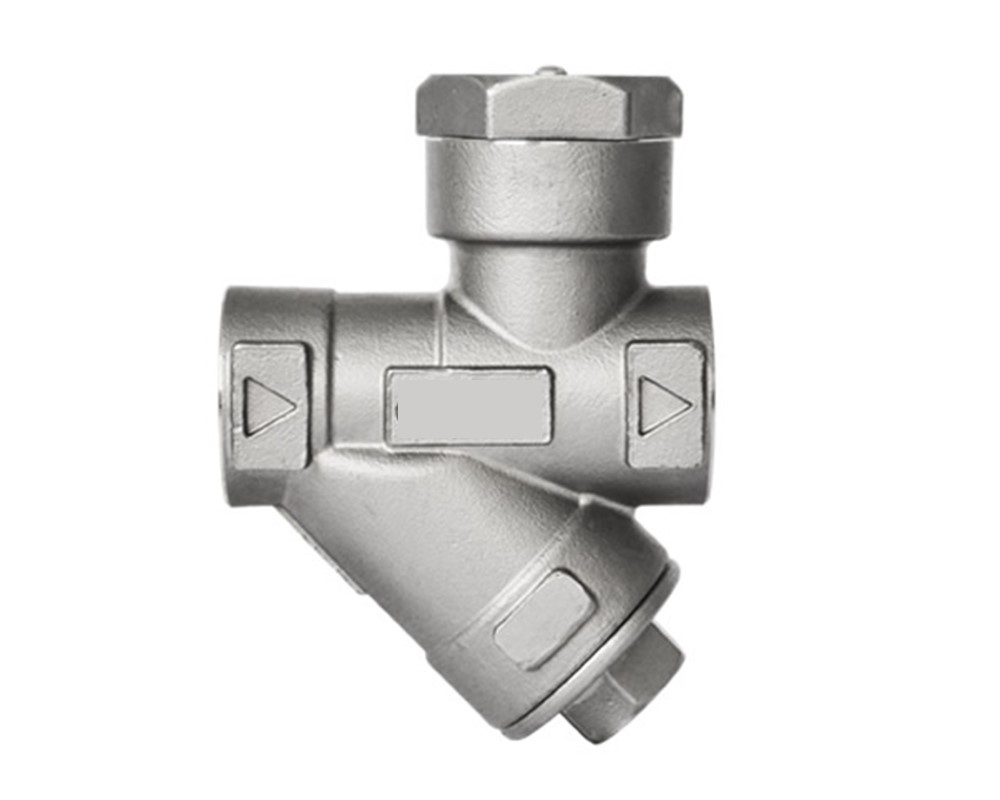
A steam trap, a crucial component in steam systems, automatically removes condensate (liquid water formed from condensed steam) while retaining live steam. This ensures efficient operation and prevents various problems in steam systems.
Inquire Now
Specifications
Steam Engineering Product – Steam Trap Size Range
15 -25 NPS
Body Materials
AISI 420./ 743 Gr. CA40/ ASTM A217 Gr. WC6 /
ASTMA 182 Gr. F22
Temperature Range
550 Deg. C.
Trim Materials
AISI 420./ 743 Gr. CA40/ ASTM A217 Gr. WC6 /
ASTMA 182 Gr. F22
Maximum Allowable Operating Pressure
85 kg/cm2
Seat Materials
AISI 420./ 743 Gr. CA40/ ASTM A217 Gr. WC6 /
ASTMA 182 Gr. F22
Shutoff Rating
Class
IV, V
Disc Materials
AISI 420./ 743 Gr. CA40/ ASTM A217 Gr. WC6 /
ASTMA 182 Gr. F22
Body Style
Thermodynamic, Thermostatic, Ball FloatType
End Connection
Threaded to BSP/BSPT/NPT, SW and BW, Flanged to #150/300/600/900/1500.
Features:
-
- Automatic condensate removal: Traps automatically discharge condensate without manual intervention, maintaining a dry steam line for optimal heat transfer.
- Retention of live steam: The trap design allows live steam to pass through while preventing condensate from escaping, maximizing energy efficiency.
- Variety of types: Different types of steam traps cater to diverse applications and system requirements. Common types include:
- Float traps: Utilize a float mechanism to determine condensate level and discharge it accordingly.
- Thermostatic traps: Respond to temperature differences between steam and condensate for automatic operation.
- Thermodynamic traps: Operate based on the velocity of condensate flow.
- Bucket traps: Employ a bucket mechanism that tilts due to condensate weight, triggering discharge.
- Durability: Steam traps are typically constructed from robust materials like cast iron or stainless steel to withstand harsh operating environments.
- Compact size: Most steam traps are relatively compact, allowing for easy installation in piping systems.
Benefits:
-
- Improved heat transfer: Effective condensate removal prevents its buildup in pipes, ensuring efficient heat transfer from steam to the intended application.
- Energy savings: Reduced condensate in the system minimizes energy consumption needed to heat the trapped water.
- Reduced wear and tear: By preventing water hammer (sudden pressure surges caused by trapped condensate) and corrosion from condensate buildup, steam traps extend the lifespan of equipment and piping.
- Enhanced system performance: Proper condensate removal ensures optimal operation of steam-powered machinery and processes.
- Lower maintenance requirements: Automatic condensate removal minimizes the need for manual intervention and maintenance associated with condensate buildup.
FAQs:
A. What factors should I consider when choosing a steam trap?
-
- System pressure and temperature
- Condensate load
- Pipe size
- Application requirements (e.g., continuous vs. intermittent operation)
B. How often do steam traps need to be replaced?
The lifespan depends on the specific trap type, operating conditions, and maintenance practices. Regular inspection and preventive maintenance are crucial.
C. What are the signs of a malfunctioning steam trap?
-
- Cold pipes or equipment due to condensate buildup
- Water hammer noises
- Increased energy consumption
- Reduced steam system efficiency