
Ball Valves
Top Entry Ball Valve
In-line maintainable design: ball and seats are serviced through the bonnet without removing the valve from welded pipelines.
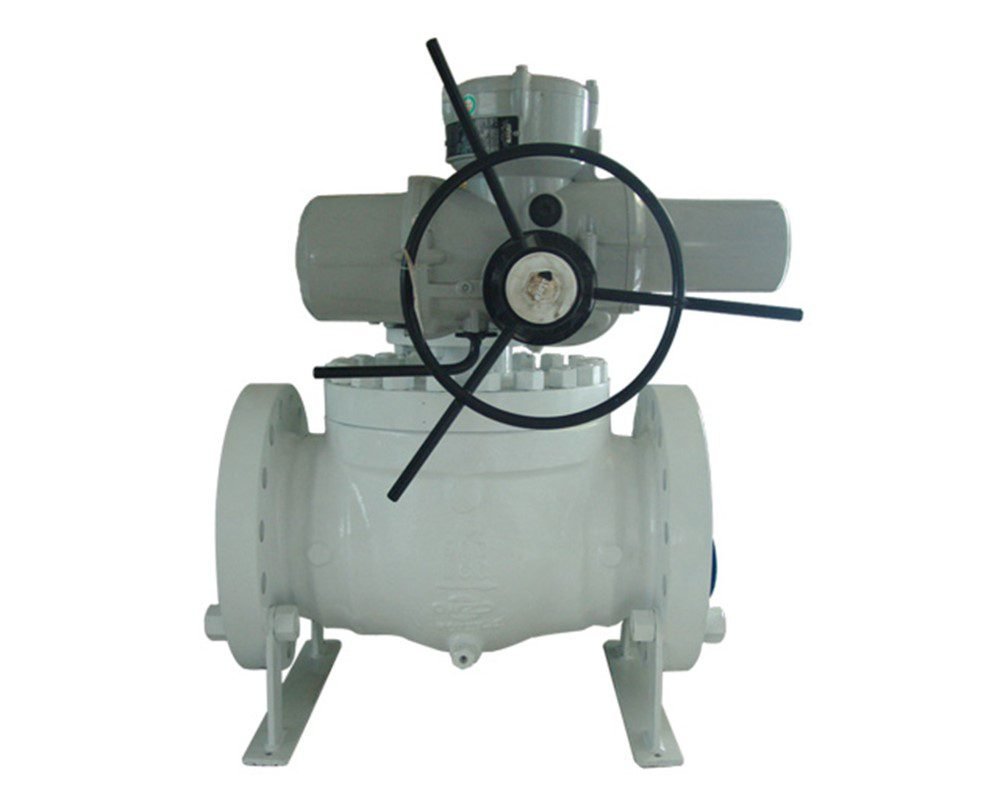
Overview
A top entry ball valve is a type of industrial valve known for its ease of maintenance and reliability.
Key features
- Easy Maintenance: The top entry design allows for quick and simple access to the internal components for maintenance, repair, or replacement without disrupting the piping system.
- Durability: Top entry ball valves are typically made from robust materials like cast iron or steel, ensuring long-lasting performance.
- High-Pressure Rating: Many top entry ball valves can handle high pressure applications due to their sturdy construction.
- Versatility: Available in various sizes and materials to suit a wide range of applications.
- Bidirectional Flow: Allow flow in either direction, offering flexibility in piping layouts.
Technical specifications
- Size Range
- 2 – 24 NPS, DN50 - DN600
- Body Materials
- ASTM A216, A105, A350, A182, A351, A352, A890, A995.
- Temperature Range
- -29°C to 450°C
- Ball Materials
- ASTM A216, A105, A350, A182, A351, A352, A890, A995.
- Maximum Allowable Operating Pressure
- ANSI 150#, ANSI 300#, ANSI 600# , ANSI 900#, ANSI 1500#, ANSI 2500#
- Seat Materials
- PTFE, NYLON, PEEK, NBR, KELF, ENP (Electroless nickel plating), HC (Hard chrome).
- Shutoff Rating
- Bidirectional Bubble-tight
- Body Style
- Flanged End, Butt Weld, FE V/s BW
- Design Standard
- API 6D, ASME 16.34
- Flange Drilling
- ASME B16.5
- Testing Standard
- API 598, ISO 5208, EN 12266-1
- Face To Face
- ASME B16.10
- Applications
- Oil & Gas, Wastewater, Seawater, Petrochemicals
Applications
- Oil & Gas
- Wastewater
- Seawater
- Petrochemicals
Benefits
- Reduced Downtime: Easy maintenance minimizes downtime for repairs or replacements, leading to increased productivity.
- Lower Maintenance Costs: The ease of maintenance can translate to lower overall maintenance costs over time.
- Improved Safety: Simplified maintenance reduces worker exposure to hazardous fluids or pressurized environments.
- Reliable Sealing: Tight-seating design minimizes leakage, crucial for critical applications.
- Long Service Life: Durable construction and ease of maintenance contribute to a long lifespan.
Frequently asked questions
The main advantage is the ease of maintenance. Accessing the internal components from above without removing the valve from the pipeline saves time and reduces downtime.
Due to their complex design and ease of maintenance features, they can have a slightly higher initial cost compared to some standard ball valve designs. However, the long-term benefits of reduced maintenance downtime can offset the initial cost difference.
- **Potentially higher initial cost.**
- **Flow path might be slightly restricted compared to full port designs in some models.**
- **Flanged ball valves:** Offer easier installation and removal but may be more prone to leaks at the flange connections and require more space.
Application engineering
Specify your requirement.
Share your process conditions, required configuration and quantity. Our team will confirm suitable options and available documentation.
Thank you — enquiry received
An application engineer will review your requirement and reply within one working day.