
Butterfly Valves
Double Offset Butterfly Valve
High-performance butterfly valve whose offset disc lifts clear of the seat, reducing wear and torque for higher pressure and temperature duties.
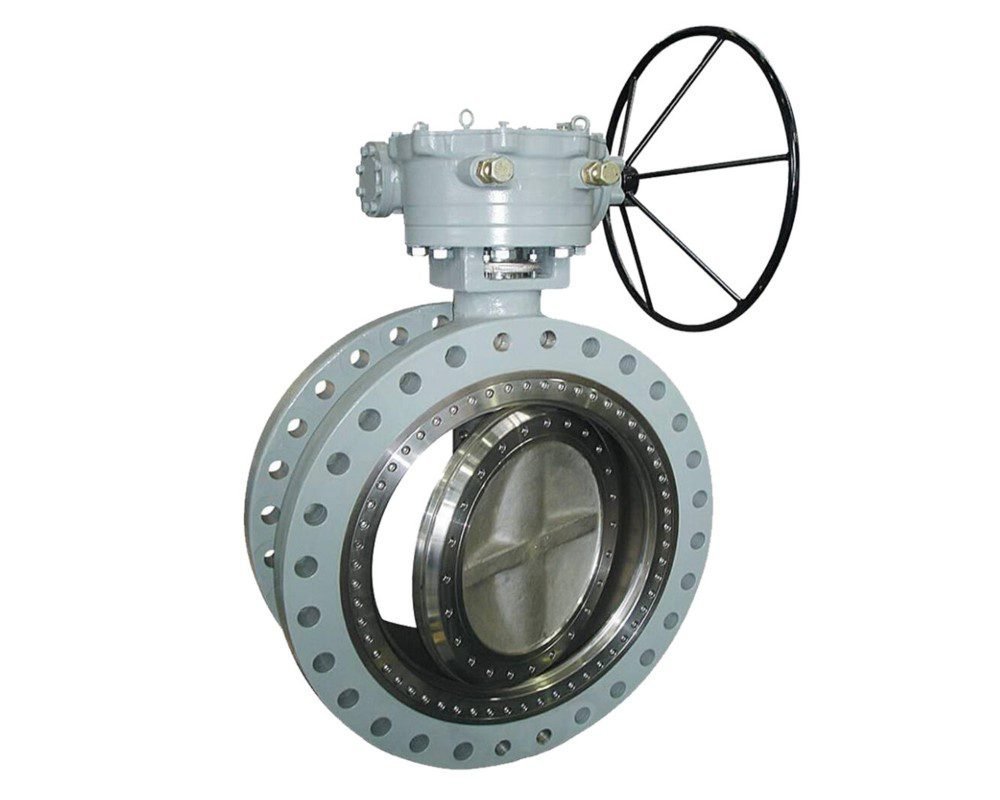
Overview
Double offset butterfly valves offer several advantages over standard butterfly valves, making them a popular choice for industrial applications.
Key features
- Double Offset Design: The core feature involves two intentional offsets in the valve body. These offsets position the disc so it shifts away from the seat during operation . This minimizes contact between the sealing surfaces, reducing wear and tear.
- Variety of Sealing Options: Double offset valves can utilize various sealing materials, including elastomers or metal seats, depending on the application’s pressure and temperature requirements.
- Compact Design: Similar to standard butterfly valves, they offer a space-saving design due to their quarter-turn operation.
Technical specifications
- Size Range
- 2 – 24 NPS, DN50 - DN600
- Body Materials
- Cast Iron, Ductile Iron
- Temperature Range
- -20°F to 250°F (-29°C to 121°C)
- Stem Materials
- Stainless Steel
- Maximum Allowable Operating Pressure
- Maximum 250 psi (17.2 Bar)
- Seat Materials
- EPDM, BUNA-N
- Shutoff Rating
- Bidirectional Bubble-tight
- Disc Materials
- Nylon 11 Coated Ductile Iron, Stainless Steel
- Body Style
- Wafer 3W, Lug 3L
- Design Standard
- API 609, Category A, EN 593, MSS SP-67
- Flange Drilling
- API 609, Category A, ASME B16.1 Class 125, ASME B16.5 Class 150, AS 2129 Table D & E, EN 1092 PN6, PN10, PN16, JIS 10K
- Testing Standard
- API 598, ISO 5208, EN 12266-1, MSS SP-61
- Certifications
- ABS Type Approval, CE/PED, CRN, FDA, ANSI/NSF 372, ANSI/NSF-61
- Face To Face
- API 609 Category A, EN 558 Series 20
- Applications
- Potable Water, Wastewater, Seawater, HVAC, Data Centers, Sugar & Ethanol
Applications
- Potable Water
- Wastewater
- Seawater
- HVAC
- Data Centers
- Sugar & Ethanol
Benefits
- Tight Sealing: The offset design allows for a more secure seal compared to standard butterfly valves, reducing leakage and making them suitable for higher-pressure applications.
- Lower Operating Torque: Reduced friction due to the offset design translates to lower torque required to open and close the valve. This simplifies automation and reduces actuator size and power needs.
- Extended Service Life: Minimized wear on the sealing surfaces leads to a significantly longer lifespan compared to standard butterfly valves.
- Broad Pressure and Temperature Range: Double offset valves can handle a wider range of pressures and temperatures than standard butterfly valves due to their design and available sealing materials.
- Versatility: They are suitable for various applications involving liquids, gases, slurries, and even some viscous fluids depending on the chosen seat material.
- Reduced Maintenance: The simpler design and lower wear rates contribute to less frequent maintenance needs compared to standard butterfly valves.
- double offset butterfly valves provide a good balance between performance, reliability, and cost-effectiveness. They offer improved sealing, longer lifespan, and wider applicability compared to standard butterfly valves, making them a valuable choice for many industrial processes. However, they may not be ideal for applications requiring precise flow control.
Frequently asked questions
- **Tighter Sealing:** Compared to standard butterfly valves, the offset design minimizes contact between the disc and seat, leading to a more secure seal and reduced leakage.
- **Extended Service Life:** Less wear on sealing surfaces translates to a longer operational lifespan.
- **Versatility:** Suitable for various applications with liquids, gases, slurries, and even some viscous fluids (depending on seat material).
C. When to use a double offset butterfly valve?
- **Improved sealing performance:** Such as chemical processing, water treatment plants, or higher-pressure pipelines.
- **Broader operating range:** Handling a wider range of pressures and temperatures than standard butterfly valves can accommodate.
- Triple offset valves have an additional offset in the seating surface compared to double offset valves. This extra offset creates a **camming action** that eliminates disc-to-seat contact during most of the opening and closing cycle, leading to even lower friction and potentially a longer lifespan. However, triple offset valves tend to be more expensive.
- **Pressure and temperature rating:** Choose a valve exceeding your application’s requirements.
- **Material selection:** Select appropriate body, disc, and seat materials for the fluid being handled.
## Downloads
Application engineering
Specify your requirement.
Share your process conditions, required configuration and quantity. Our team will confirm suitable options and available documentation.
Thank you — enquiry received
An application engineer will review your requirement and reply within one working day.