
Butterfly Valves
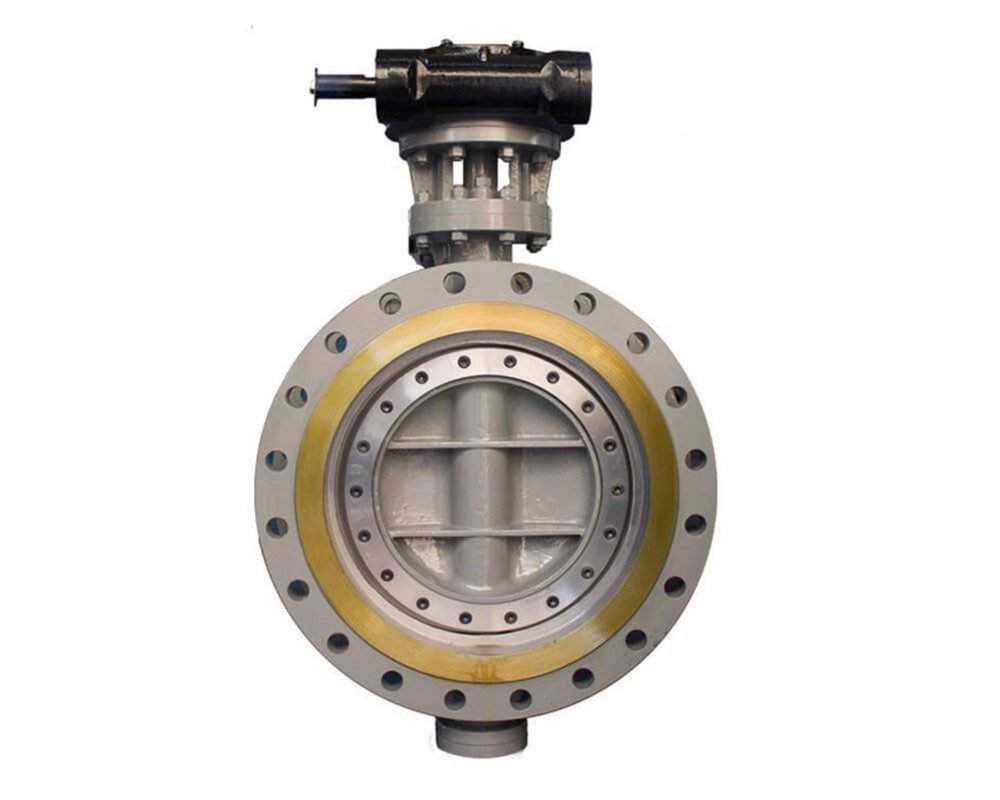
Triple Offset Butterfly Valve (TOBV)
Metal-to-metal, friction-free sealing with zero leakage for steam, hydrocarbons, high temperature and fire-safe isolation.
Overview
Triple offset butterfly valves are a specialized type of butterfly valve that offer superior sealing performance, extended service life, and lower maintenance requirements compared to standard butterfly valves.
Key features
- Bulk liquid storage, oil & gas, LNG storage & transportation, steam distribution systems, power generation, geothermal steam, sugar & ethanol, pulp & paper liquor, refining, chemical processing, water & wastewater, air separation, cryogenic services
- Triple Offset Design: The key feature is the three intentional offsets in the valve body. These offsets position the disc so that it contacts the seat in a camming action only at closure, minimizing friction during operation . This reduces wear on the sealing surfaces and allows for a tighter seal.
- Metal-to-Metal Sealing: Triple offset butterfly valves typically use a metal-to-metal seat design, eliminating the need for elastomers or soft materials that can deteriorate over time or with exposure to harsh chemicals.
- 3\. No Cavities: The design eliminates gaps or cavities between the sealing surfaces, preventing particles from getting trapped and compromising the seal.
Technical specifications
- Size Range
- NPS 3 to 48 / DN 80 to 1200
- Larger sizes available upon request
- Body Materials
- Carbon Steel, Stainless Steel
- Other Materials Upon Request
- Temperature Range
- -320°F to 842°F (-196°C to 450°C)
- Higher temperatures upon request
- Stem Materials
- 17-4PH, 410 Stainless Steel, XM-19 (Nitronic 50)
- Maximum Allowable Operating Pressure
- ASME Class 150, 300, 600, 900
- EN 1092 PN 10, 16, 25, 40, 63, 100, 150
- Seat Materials
- 316 Stainless Steel Hardened
- Shutoff Rating
- Zero Leakage
- Disc Materials
- Carbon Steel, Stainless Steel
- Other Materials Upon Request
- Body Style
- Lug, Wafer, Double Flanged, Gate, Buttweld
- Design Standard
- API 609, ASME B16.34, ASME VIII, API 600
- Flange Drilling
- ASME B16.5, ASME B16.47, EN 1092, ISO 7005
- Testing Standard
- ISO 5208, EN12266-1, API 6D, API 598, BS 6755
- Certifications
- ABS, API 607, ATEX, CRN, ISO 10497, PED, PE(S)R, SIL, TR CU, TSG
- Face To Face
- API 609, ASME B16.10, ISO 5752, EN 558
- Fugitive Emissions Standard
- ISO 15848-1, API 641, TA Luft
- Applications
Benefits
- Bubble-Tight Shut-Off: Due to the features mentioned above, triple offset butterfly valves achieve a “bubble-tight” closure, meaning no leakage even at very low levels. This makes them ideal for critical applications where even minimal leakage cannot be tolerated.
- Low Operating Torque: The reduced friction during operation translates to lower torque required to open and close the valve. This simplifies automation and reduces the size and power of actuators needed.
- Long Service Life: The minimal wear on the sealing surfaces due to the offset design extends the operational life of the valve significantly.
- High-Pressure and Temperature Capability: The metal-to-metal sealing and robust design allow triple offset butterfly valves to handle high-pressure and high-temperature applications.
- Reduced Maintenance: With fewer moving parts and a more durable design, triple offset butterfly valves require less frequent maintenance compared to standard butterfly valves.
- Wide Range of Applications: Their suitability for clean fluids, harsh chemicals, high pressures, and high temperatures makes them a versatile choice across various industries like oil & gas, power generation, chemical processing, water treatment, and marine applications.
- Triple offset butterfly valves offer a superior sealing performance, longer lifespan, lower maintenance requirements, and wider applicability compared to standard butterfly valves. However, they may come at a higher initial cost.
Frequently asked questions
- **Bubble-tight shut-off:** Ensures no leakage even at minimal levels, ideal for critical applications.
- **Long service life:** Reduced wear and tear leads to extended operation.
- **Reduced maintenance:** Fewer moving parts and a durable design minimize maintenance needs.
B. What are the disadvantages of triple offset butterfly valves?
- **Limited throttling capability:** Not ideal for precise flow control applications.
C. When to use a triple offset butterfly valve?
- **Leak-proof operation:** Chemical processing, power plants, oil & gas pipelines.
- **Low-maintenance solutions:** Industrial plants seeking to minimize downtime.
- **Pressure and temperature rating:** Choose a valve exceeding your application’s requirements.
- **Material selection:** Select appropriate body, disc, and seat materials for the fluid being handled.
- **Flow direction:** Consider if a bi-directional or unidirectional flow valve is needed.
Triple offset valves have an additional offset in the seating surface compared to double offset valves. This extra offset creates a **camming action** that eliminates disc-to-seat contact during most of the opening and closing cycle, leading to even lower friction and longer lifespan.
[Download](https://nishthaglobal.com/butterfly-valves/tripple-offset-butterfly-valvestobv/#)
Application engineering
Specify your requirement.
Share your process conditions, required configuration and quantity. Our team will confirm suitable options and available documentation.
Thank you — enquiry received
An application engineer will review your requirement and reply within one working day.