
Steam Engineering Products
Desuperheaters
Water-injection desuperheaters that reduce superheated steam to the exact temperature required by downstream equipment.
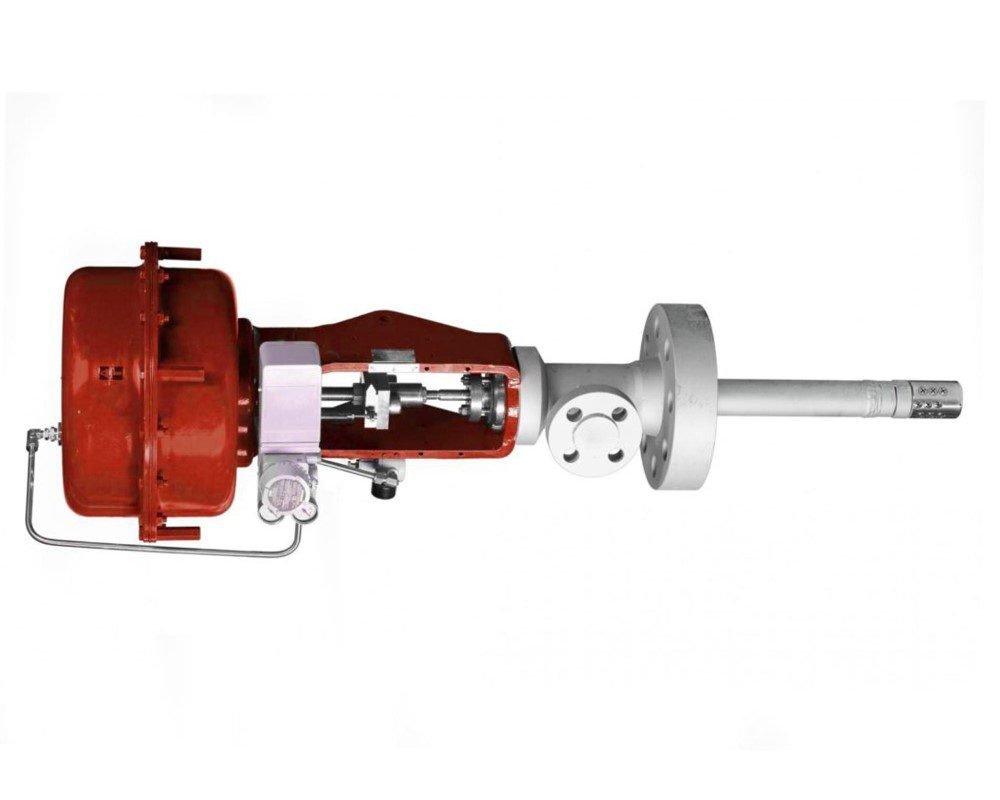
Overview
In steam systems, maintaining precise temperature control is crucial for various processes and equipment. Desuperheaters play a vital role in achieving this by reducing the temperature of high-pressure steam to a desired level.
Key features
- Heat Transfer Mechanism: Desuperheaters employ different methods to transfer heat from the steam and reduce its temperature. Common types include:
- Spray Desuperheaters: Inject atomized water spray directly into the steam flow. The water absorbs heat from the steam, causing a temperature drop.
- Venturi Desuperheaters: Utilize the Venturi effect to create a low-pressure zone where water is injected and mixes with the steam, promoting heat transfer and temperature reduction.
- Surface Desuperheaters: Transfer heat from the steam to a cooler surrounding fluid (e.g., water) through a heat exchanger.
- Control System (Optional): Some desuperheaters incorporate a control system with sensors and a control valve to regulate the water injection rate and precisely maintain the desired outlet steam temperature.
- Material Selection: Desuperheaters are constructed from robust materials like stainless steel or cast iron to withstand the demanding environment of high-pressure, high-temperature steam and water.
- Very high reliability due to being able to handle thermal cycling
- Flow profiling liner as standard
- Designed to handle large spray water flow
- Nozzles resistant to flashing
- Water atomization pressure is maintained at each nozzle at any flow condition
- Even distribution of spray water in the steam pipe
- Negligable pressure drop in the steam line
Technical specifications
- Size Range
- 2- 500 NPS
- Body Materials
- A182F12, A182F22, A182F91, or F92.
- Temperature Range
- upto 620 C
- Stem Materials
- A182F12, A182F22, A182F91, or F92.
- Maximum Allowable Operating Pressure
- EN PN 16-320
- ASME 150-2500
- Shutoff Rating
- class V or MSS SP-61
- Rangeability
- Up to 50:1
- Certifications
- ASME, PED, IBR, ISO 9001/14001
- Actuation
- Pneumatic, hydraulic or electrical
- Installation
Benefits
- Precise Temperature Control: Enables accurate regulation of steam temperature to meet specific process or equipment requirements.
- Improved Efficiency: Prevents overheating and potential damage to equipment designed for lower steam temperatures.
- Enhanced Process Control: Consistent steam temperature ensures predictable and optimal performance in various steam-based processes.
- Reduced Risk of Overheating: Protects downstream equipment from potential damage caused by excessively hot steam.
- Wide Range of Applications: Different desuperheater types cater to diverse needs in various industries.
Frequently asked questions
As mentioned earlier, the most common types are spray, Venturi, and surface desuperheaters. Each has its own advantages and disadvantages depending on the application.
No, some simpler desuperheaters may rely on manual water flow adjustment. However, a control system allows for more precise and automated temperature regulation.
- Regular inspection and maintenance are crucial. This may include checking water nozzles, internal components, and control systems (if applicable) as per the manufacturer’s recommendations.
- **Steam mixing stations:** Mix steam from different sources to achieve the desired temperature.
## Downloads
Application engineering
Specify your requirement.
Share your process conditions, required configuration and quantity. Our team will confirm suitable options and available documentation.
Thank you — enquiry received
An application engineer will review your requirement and reply within one working day.