
Butterfly Valves
Resilient Seated Butterfly Valve
Concentric rubber-seated valve providing bubble-tight shut-off for water, HVAC and general utility services.
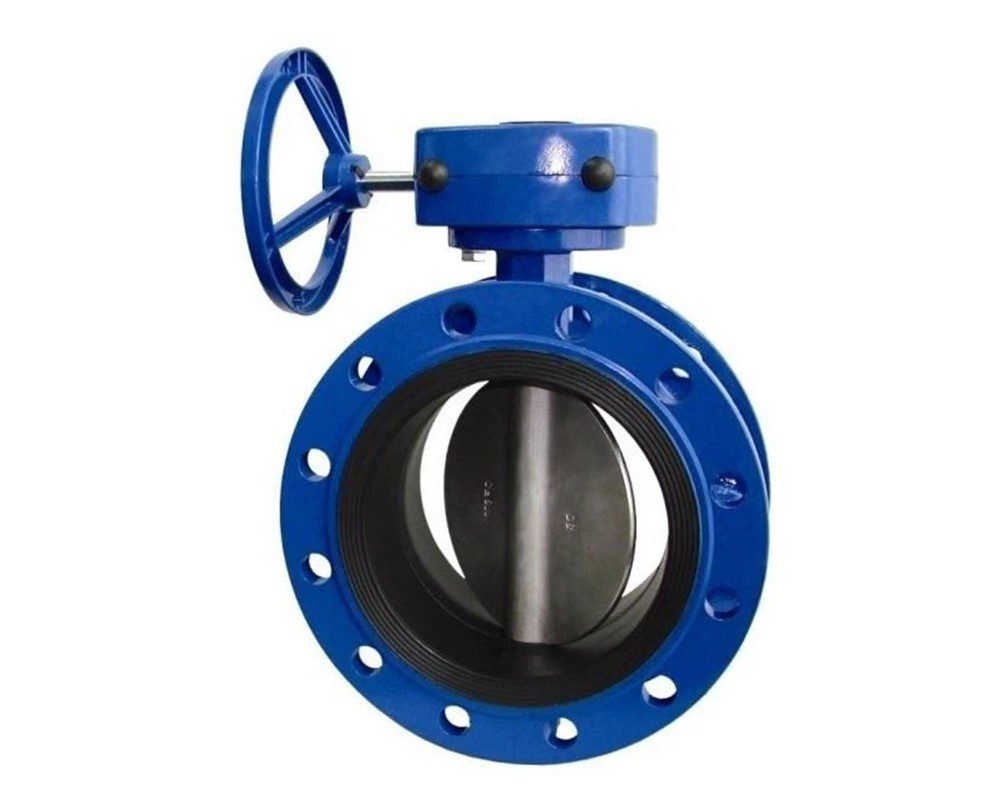
Overview
A resilient seated butterfly valve features a flexible rubber seat for a tight seal, ensuring reliable performance in various applications. Its design offers low operating torque, ease of installation, and minimal maintenance, making it an efficient and cost-effective choice for fluid control.
Key features
- Resilient Seat: Provides tight sealing and long service life, reducing the need for maintenance.
- Disc Design: Engineered for low operating torque, which minimizes wear on the valve and associated components.
- Body Construction: Made from durable materials like ductile iron, ensuring longevity and reliability in various applications.
- Ease of Installation: Typically designed for wafer or lug configurations, allowing for quick and easy installation between flanges.
- Corrosion Resistance: Often coated with epoxy or other protective layers to withstand harsh environments and extend the valve’s lifespan.
- Bi-directional Flow: Capable of handling flow in both directions, providing versatility in piping systems.
- Compact Design: Requires less space than other types of valves, making it ideal for installations with space constraints.
- Manual, Electric, or Pneumatic Actuation: Can be operated manually or equipped with electric or pneumatic actuators for remote control and automation.
Technical specifications
- Size Range
- 2 – 24 NPS, DN50 - DN600
- Body Materials
- Cast Iron, Ductile Iron
- Temperature Range
- -20°F to 250°F (-29°C to 121°C)
- Stem Materials
- Stainless Steel
- Maximum Allowable Operating Pressure
- Maximum 250 psi (17.2 Bar)
- Seat Materials
- EPDM, BUNA-N
- Shutoff Rating
- Bidirectional Bubble-tight
- Disc Materials
- Nylon 11 Coated Ductile Iron, Stainless Steel
- Body Style
- Wafer 3W, Lug 3L
- Design Standard
- API 609, Category A, EN 593, MSS SP-67
- Flange Drilling
- API 609, Category A, ASME B16.1 Class 125, ASME B16.5 Class 150, AS 2129 Table D & E, EN 1092 PN6, PN10, PN16, JIS 10K
- Testing Standard
- API 598, ISO 5208, EN 12266-1, MSS SP-61
- Certifications
- ABS Type Approval, CE/PED, CRN, FDA, ANSI/NSF 372, ANSI/NSF-61
- Face To Face
- API 609 Category A, EN 558 Series 20
- Applications
- Potable Water, Wastewater, Seawater, HVAC, Data Centers, Sugar & Ethanol
Applications
- Potable Water
- Wastewater
- Seawater
- HVAC
- Data Centers
- Sugar & Ethanol
Benefits
- Cost-Effective: Lower initial cost compared to other types of valves, with reduced maintenance expenses over time.
- Energy Efficiency: The low operating torque reduces energy consumption in automated systems.
- Versatility: Suitable for a wide range of applications, including water treatment, HVAC systems, and industrial processes.
- Enhanced Safety: Tight sealing capabilities minimize the risk of leaks, enhancing the safety of the overall system.
- Minimal Maintenance: Durable construction and resilient seat reduce the frequency and cost of maintenance.
- Quick Operation: The simple design allows for rapid opening and closing, which is beneficial in emergency situations.
- Environmental Protection: Corrosion-resistant coatings and materials help prevent environmental contamination.
- Operational Flexibility: Available in various sizes and configurations to meet specific application requirements, providing flexibility in system design.
- These features and benefits make resilient seated butterfly valves a reliable and efficient choice for controlling flow in various industrial and commercial applications.
Frequently asked questions
A resilient seated butterfly valve is a type of valve that uses a flexible, rubber-like material for the seating. This design ensures a tight seal and allows the valve to handle various applications, including those with corrosive or abrasive fluids.
These valves are widely used in water treatment plants, HVAC systems, chemical processing, food and beverage industries, and general industrial applications due to their versatility and durability.
The body is often made from ductile iron, carbon steel, or stainless steel, while the seat is typically made from materials like EPDM, NBR, or Viton to provide a resilient and tight seal.
To reduce operating torque and increase reliability in high cycle applications.
While they are suitable for moderate pressure applications, for high-pressure applications, it is essential to check the specific pressure ratings of the valve to ensure it meets the system requirements.
[Download](https://nishthaglobal.com/butterfly-valves/resilient-seated-butterfly-valve/#)
Application engineering
Specify your requirement.
Share your process conditions, required configuration and quantity. Our team will confirm suitable options and available documentation.
Thank you — enquiry received
An application engineer will review your requirement and reply within one working day.